

My name is Leo. I have ADHD. I spent years looking for something that could hold an ADHD day without making me feel like the problem, and I never found it — so one Tuesday night in June I opened Swift Playground on an iPad and started building it myself.

There was no company behind it and no plan. Nine glass orbs floating in the dark — medication, thoughts, feelings, reminders, places — and a line I’d written for myself long before I wrote it for anyone else: designed by ADHD minds, for ADHD minds. That first medication reminder was the whole idea in miniature. Not productivity. Not optimisation. Just something that noticed the thing I always forget, slightly before it became a problem.

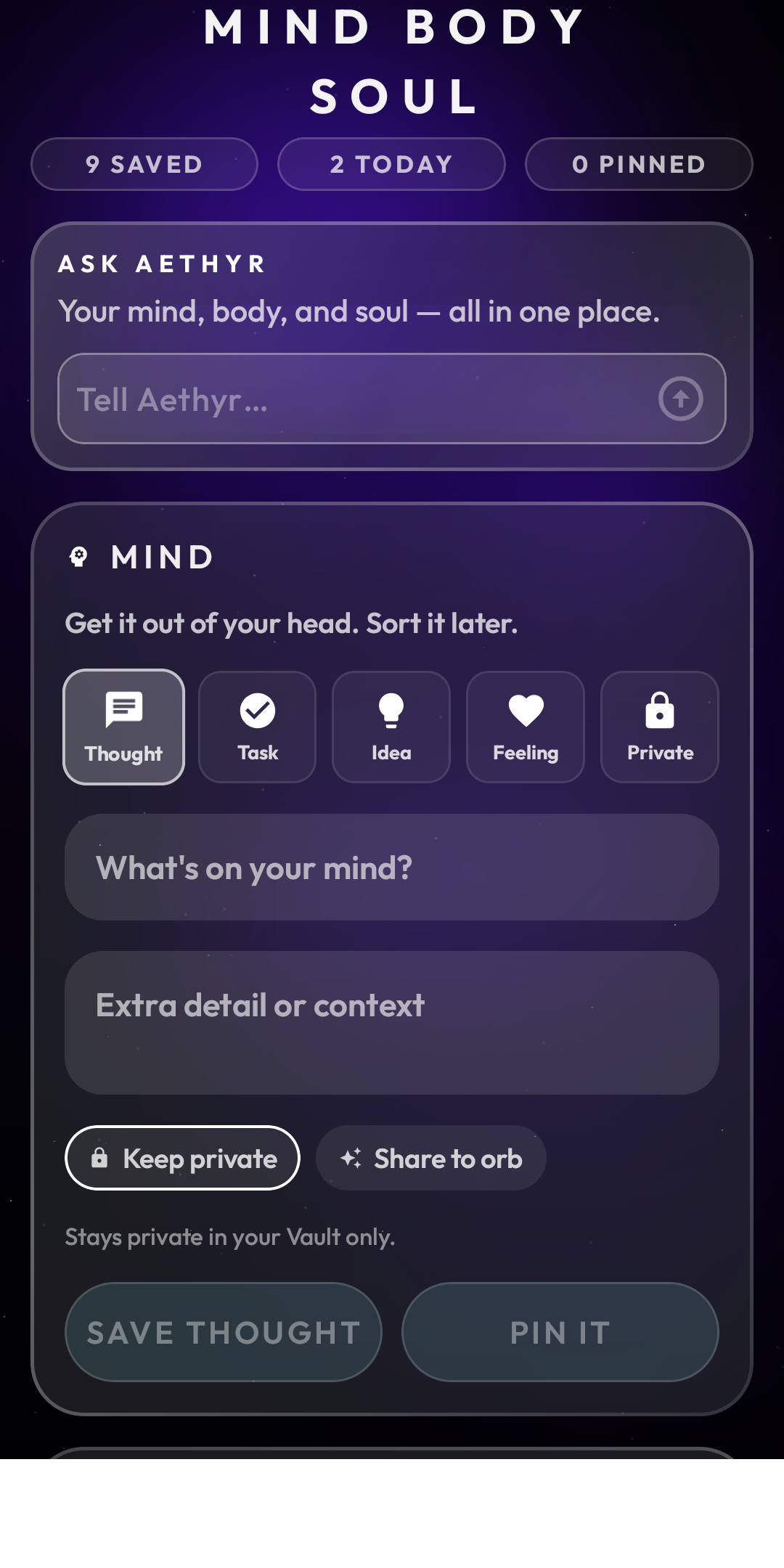
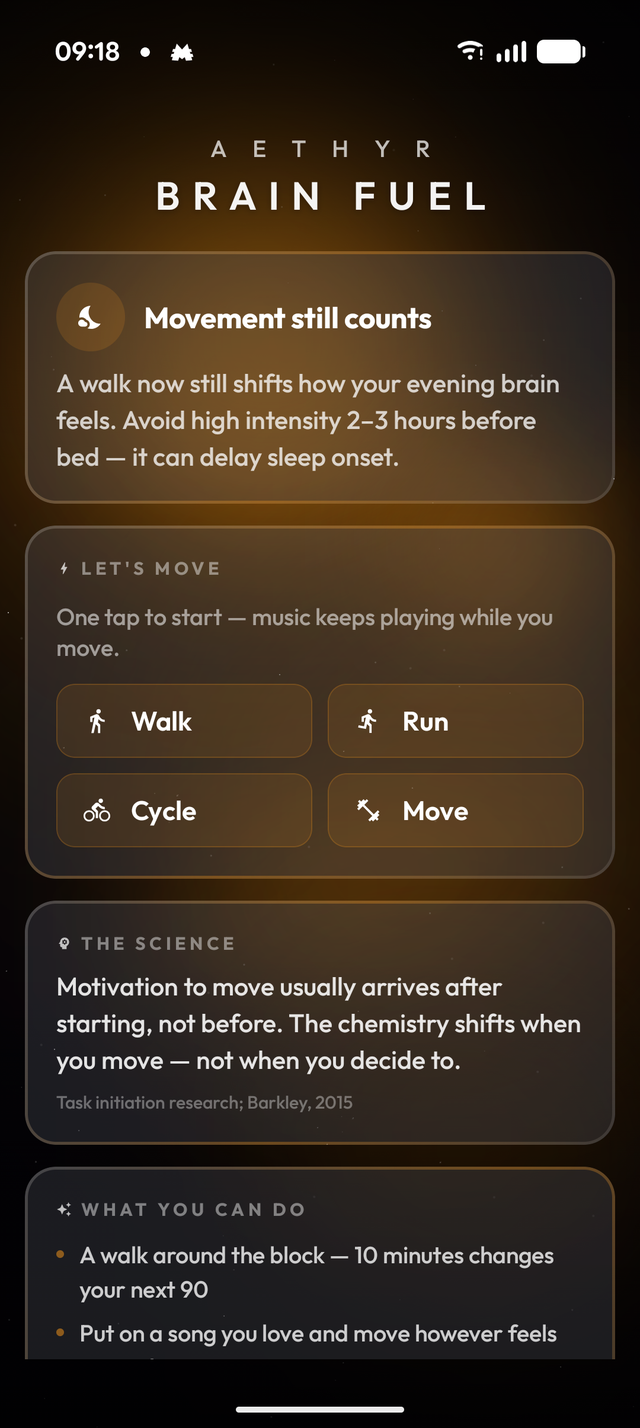
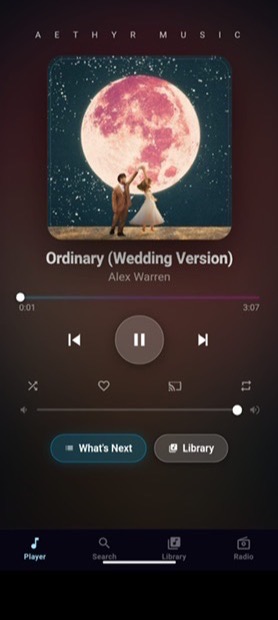
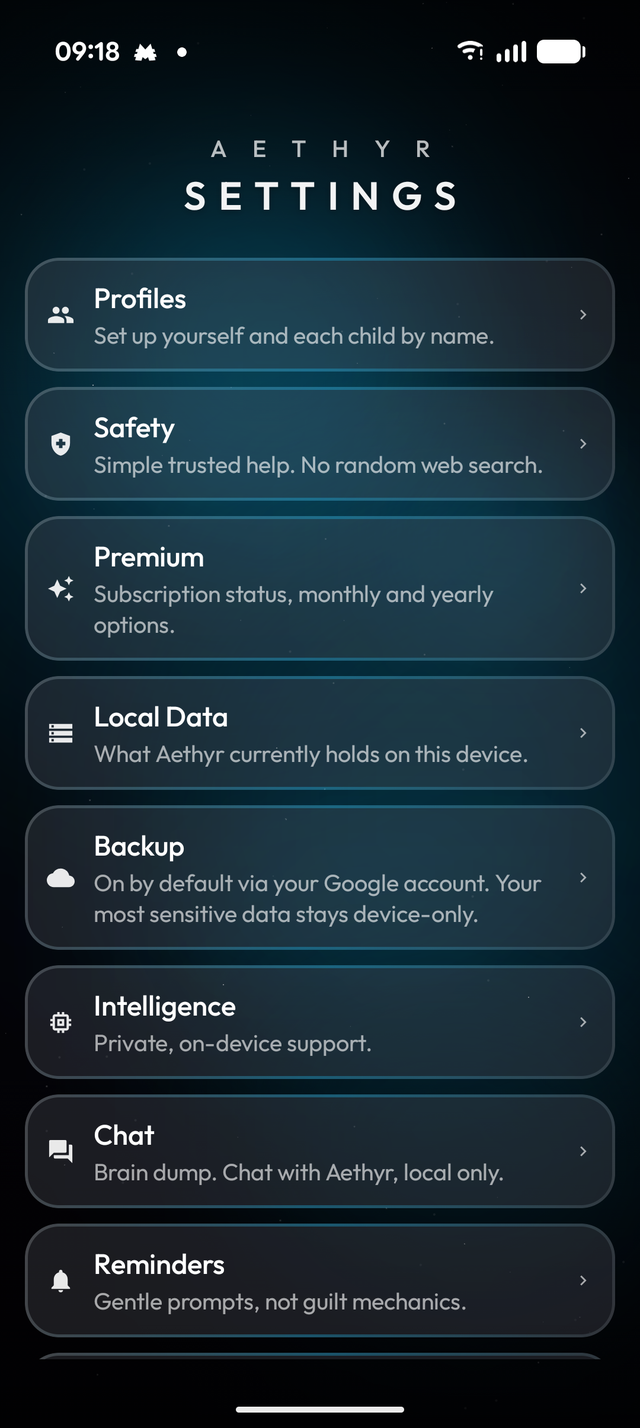
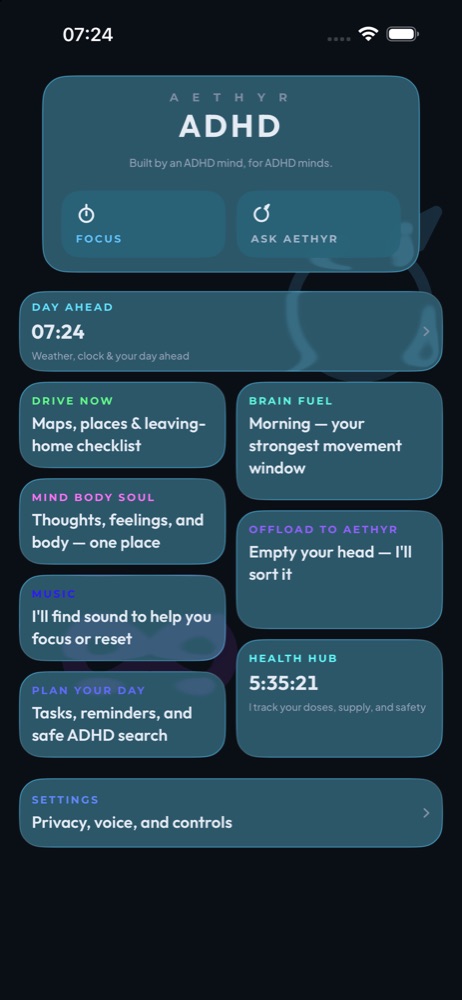
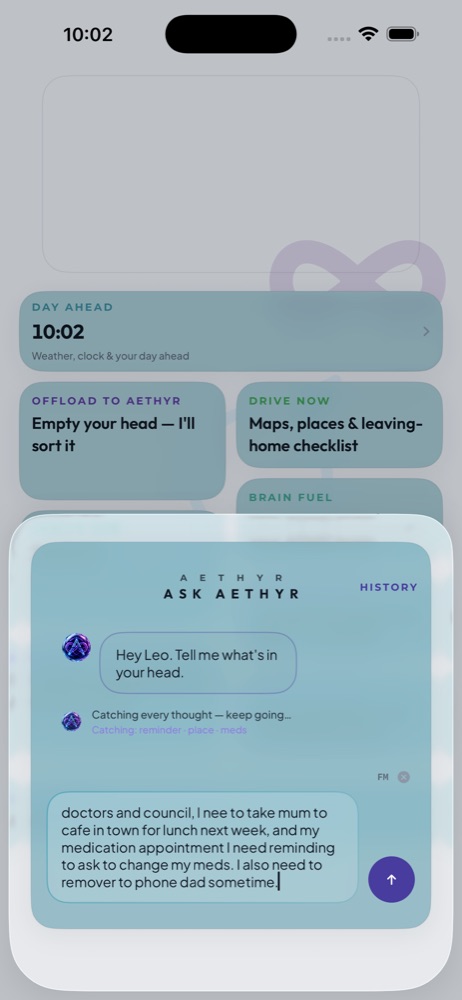
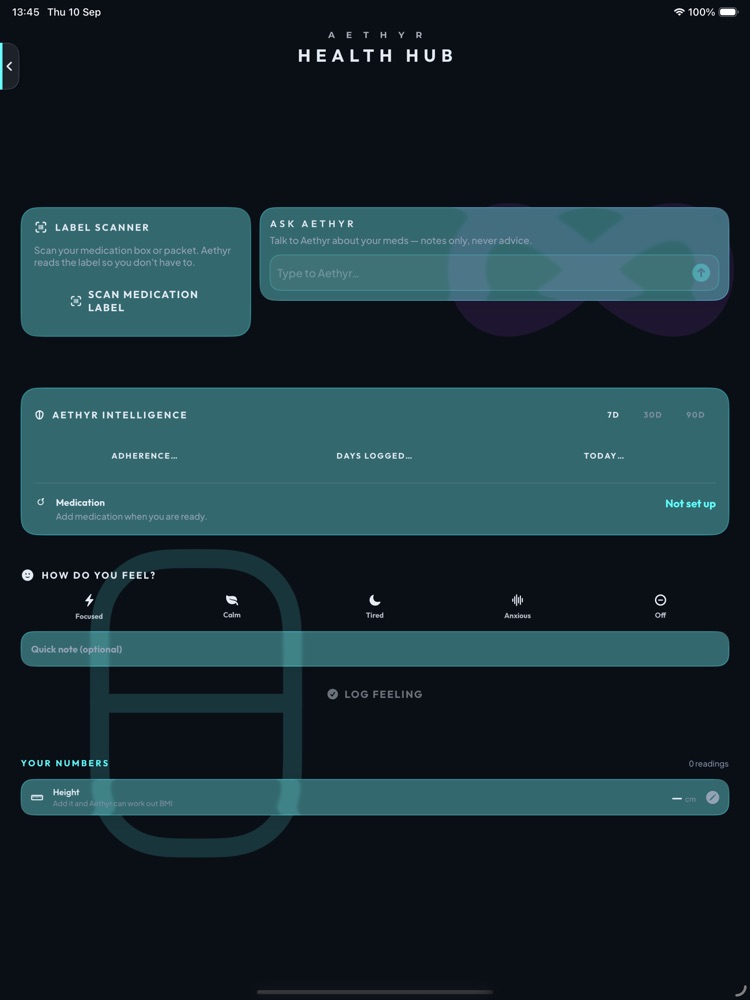
I built it the way it felt inside my own head, which is to say dark, loud, everything glowing, everything orbiting something else. It looked like the inside of an ADHD brain at eleven at night because that is exactly what it was. I wasn’t designing an app. I was externalising a mind, and it showed. Every screen was a nebula. Every icon was a planet. I thought it was beautiful, and for the one person using it, it was.
Then I put it on TestFlight, expecting nothing much, and got back the one thing I hadn’t planned for: people who were not me. People whose ADHD looks nothing like mine. People who found the dark beautiful and completely unreadable. People opening it at seven in the morning on a bad day rather than at midnight on a good one, wanting to find one thing quickly and get out.

That is the part nobody warns you about. Building something for yourself is easy, because you already know the answer before you ask the question. Building it for somebody else means discovering, over and over, that your answer was only ever your answer — and then having the humility to change something you were proud of.
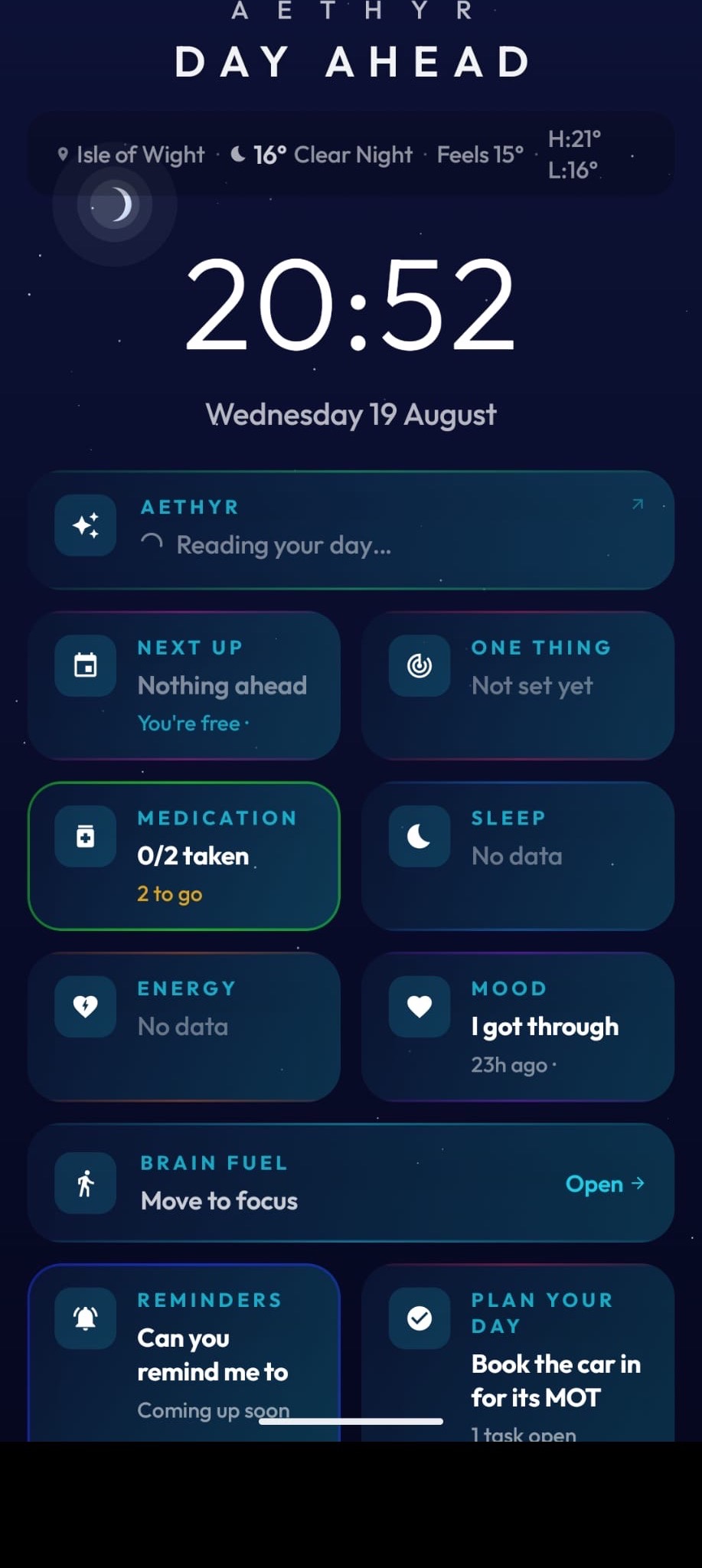
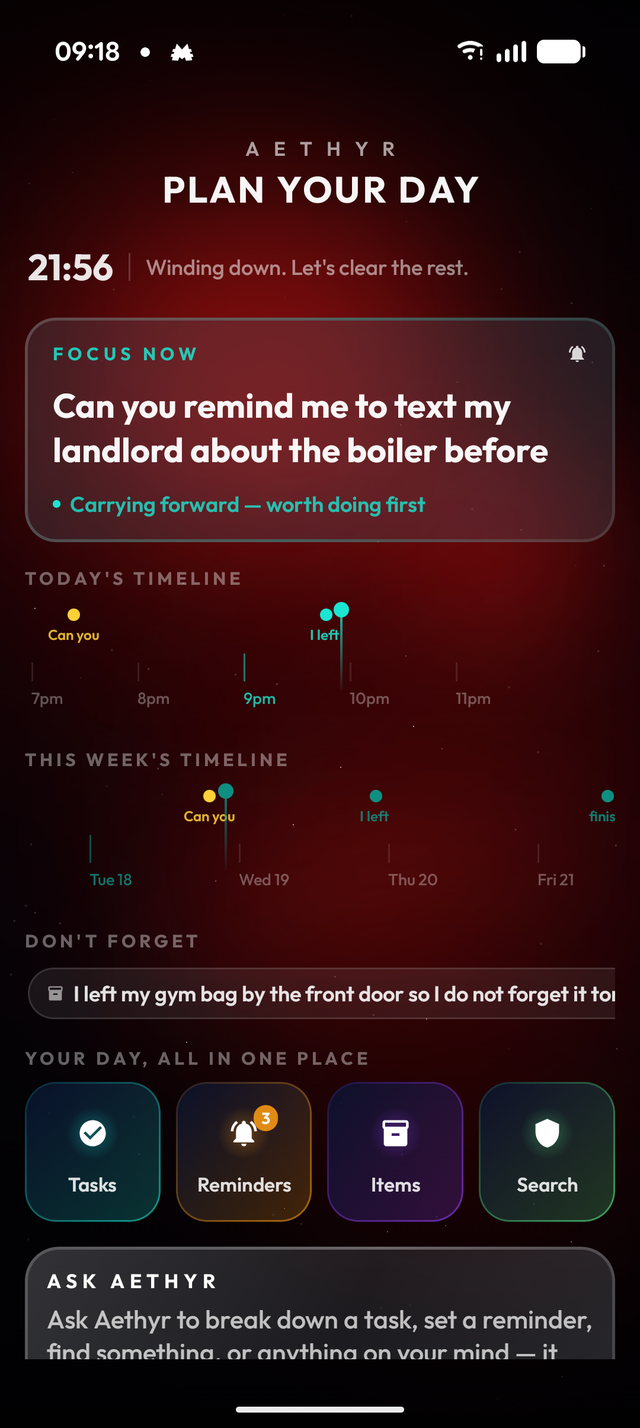
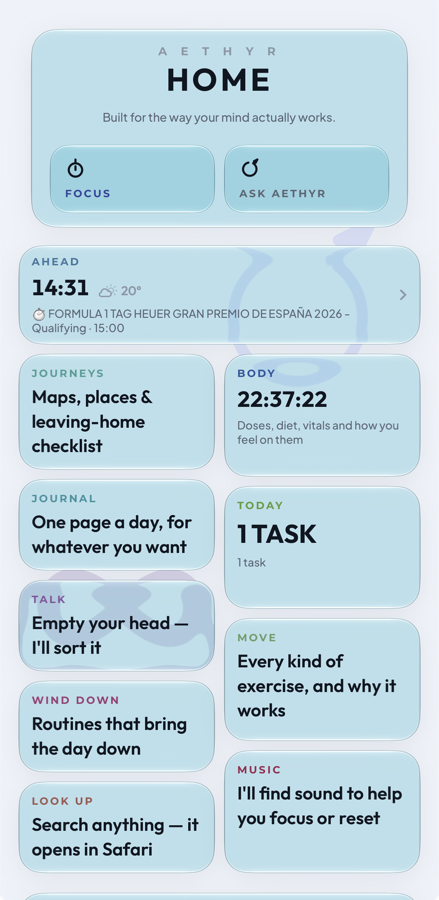
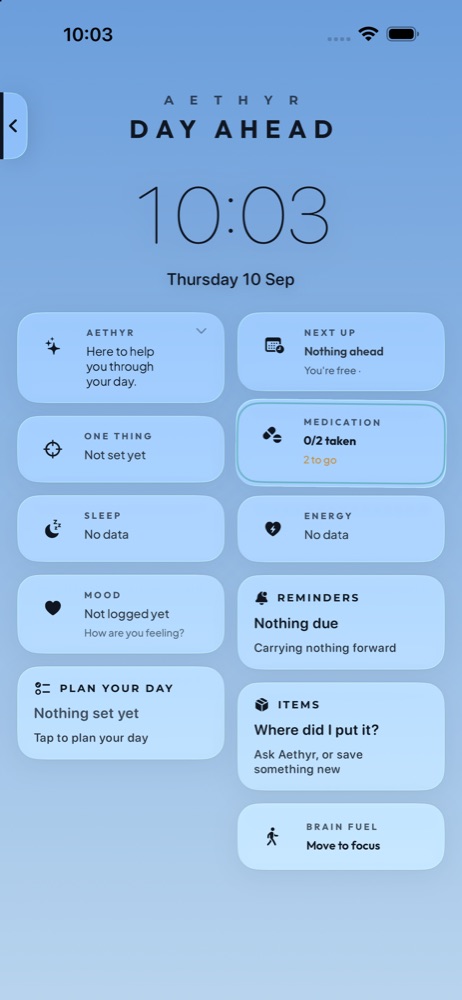
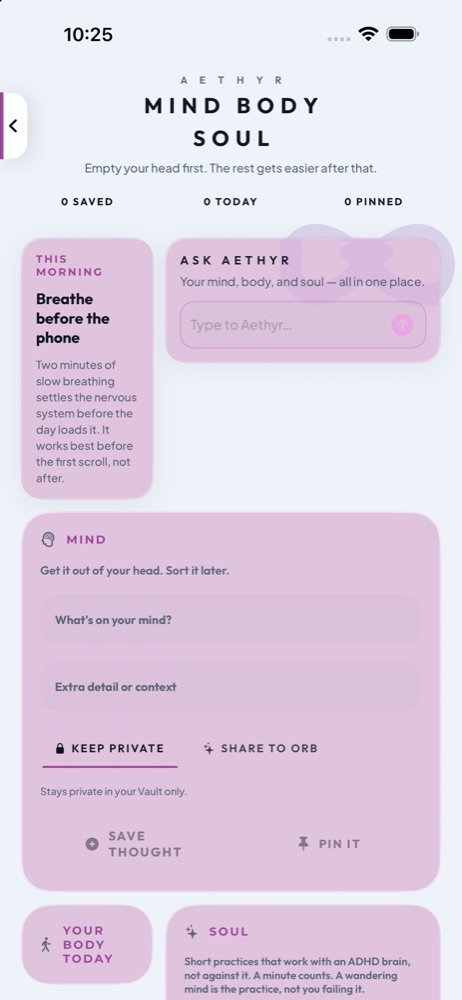
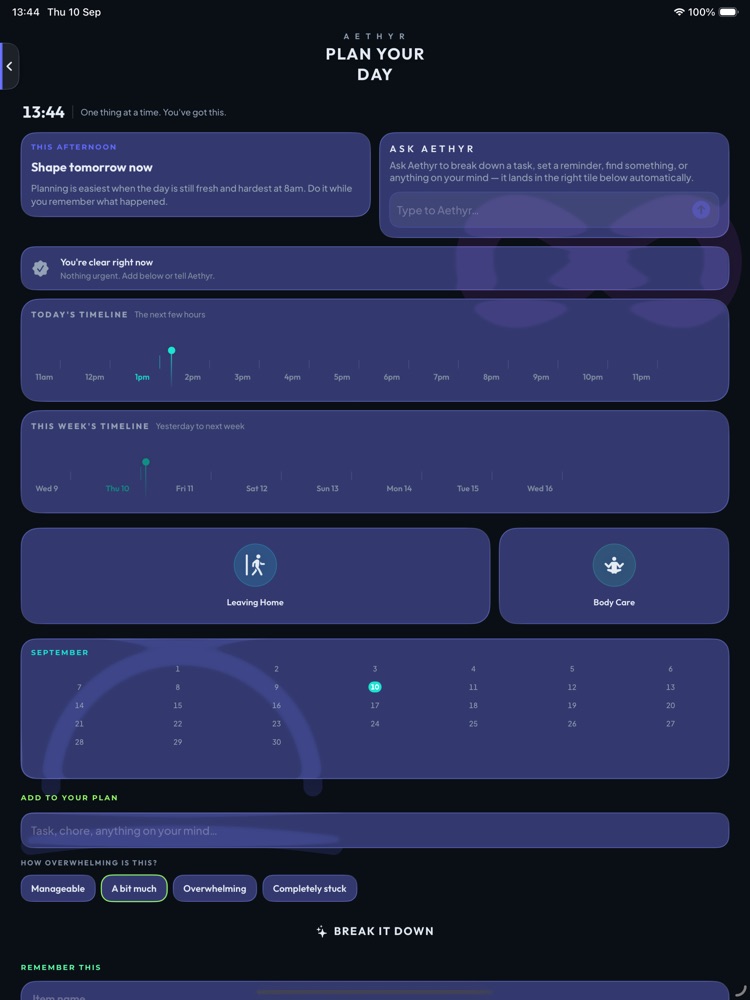
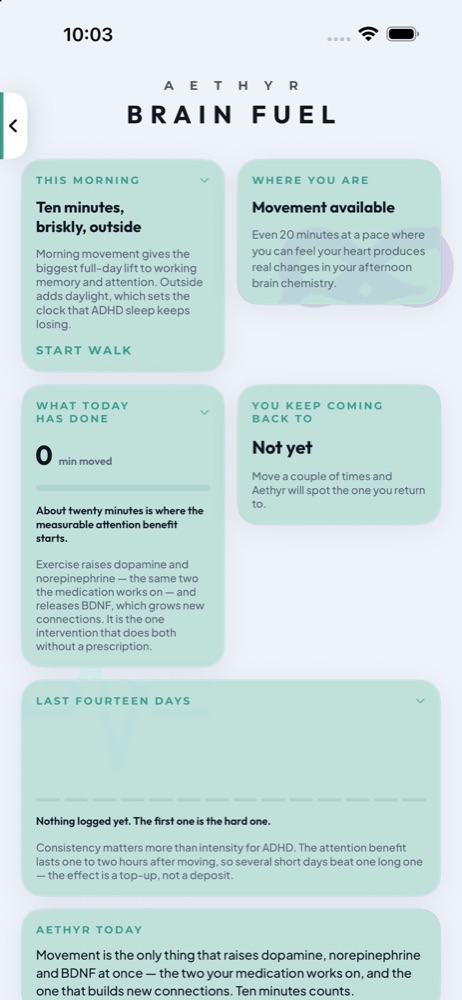
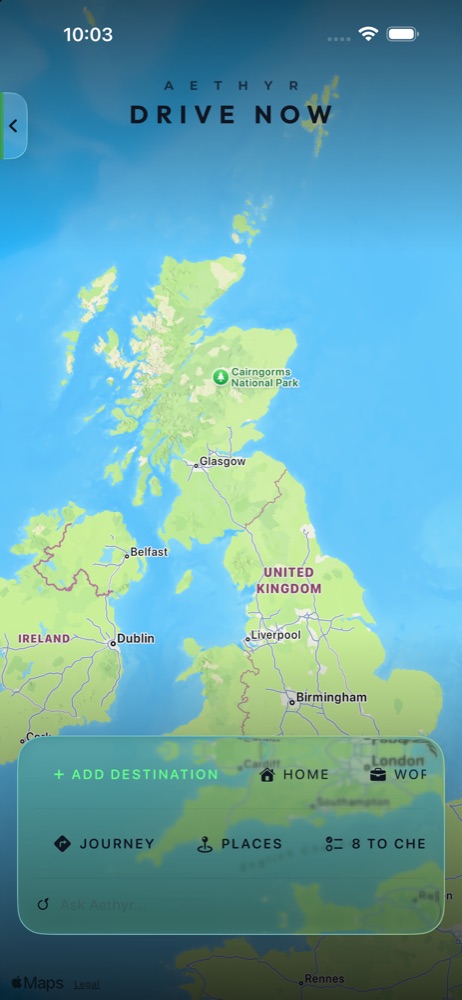
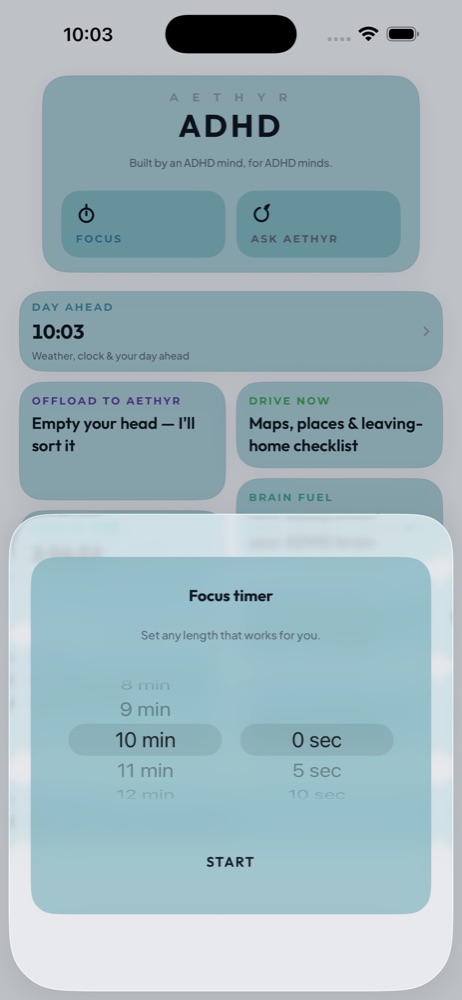
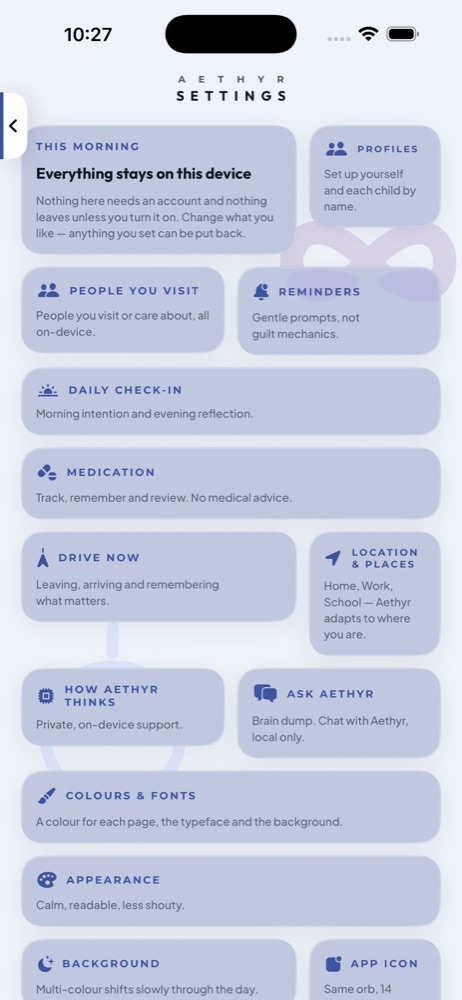
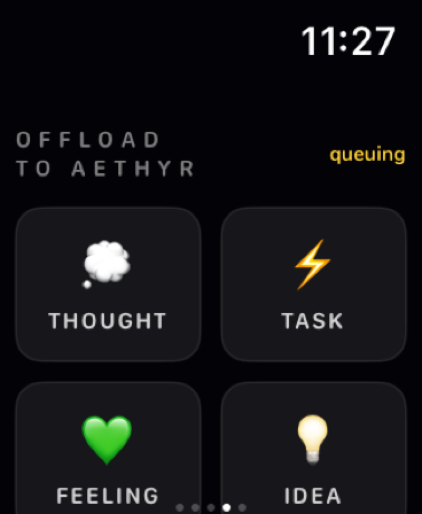
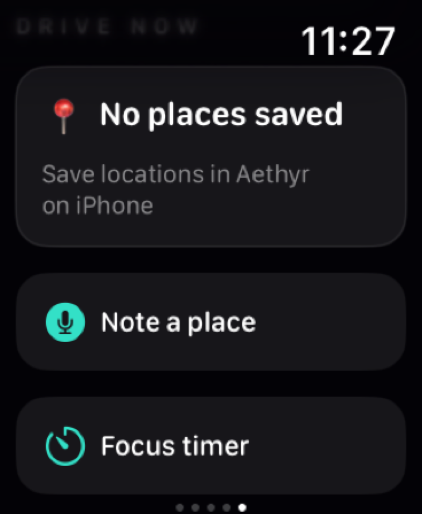
So it changed. Not the principles; those have never moved an inch. What changed was everything around them. The black became daylight. The smoke cleared. The glowing orbs became cards you can actually read on a train, one-handed, with a headache, on the third bad day in a row. It stopped looking like the inside of my head and started looking like somewhere you could put yours down.
 Then
Then
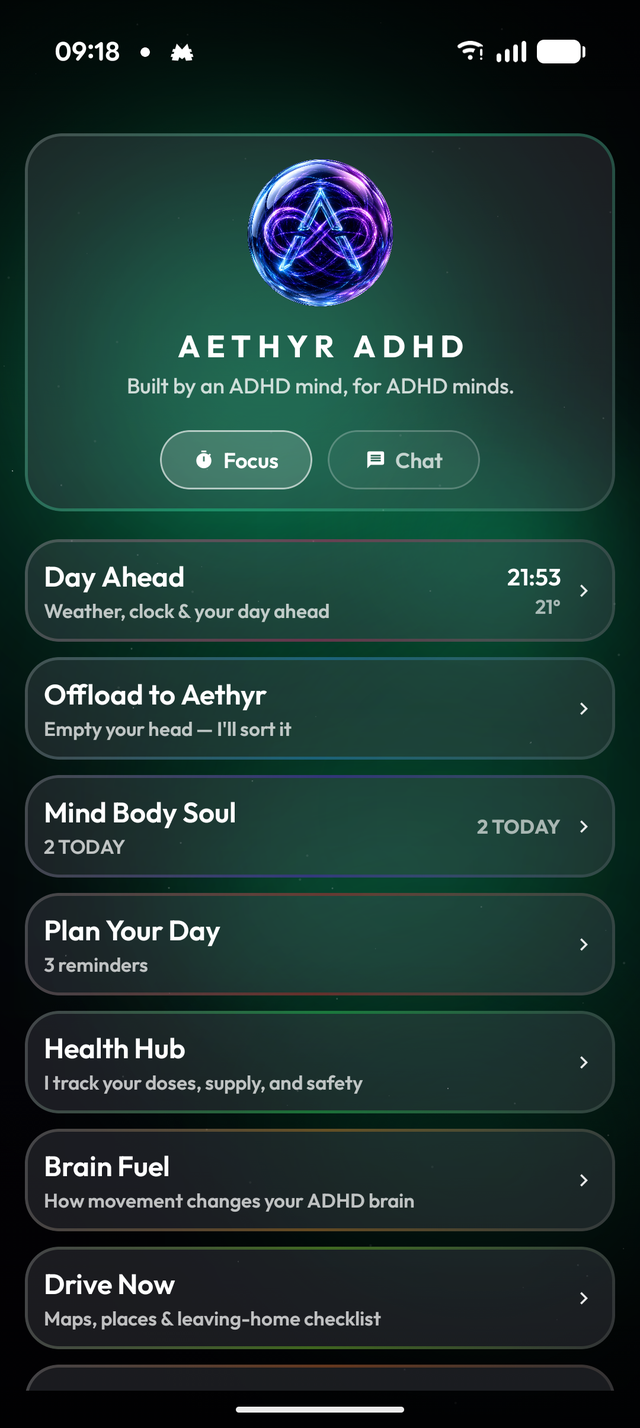
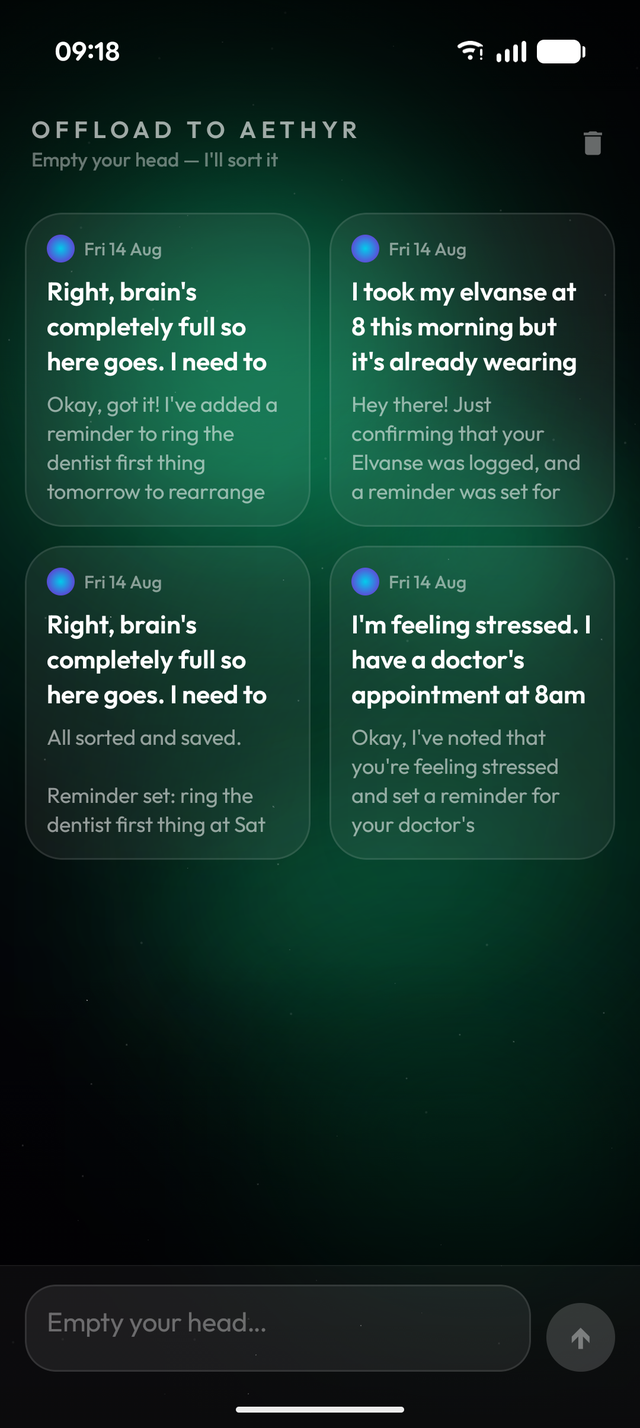
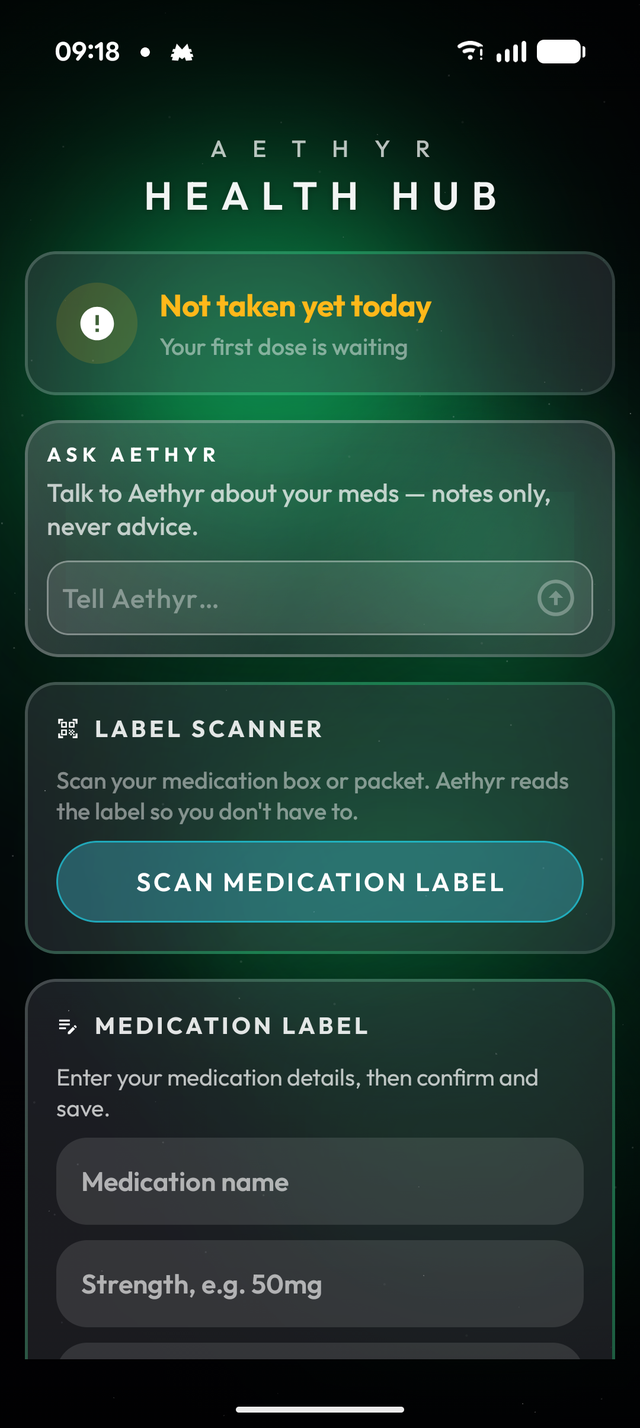
 Now
Now
It was built for me. Now it’s built for you.
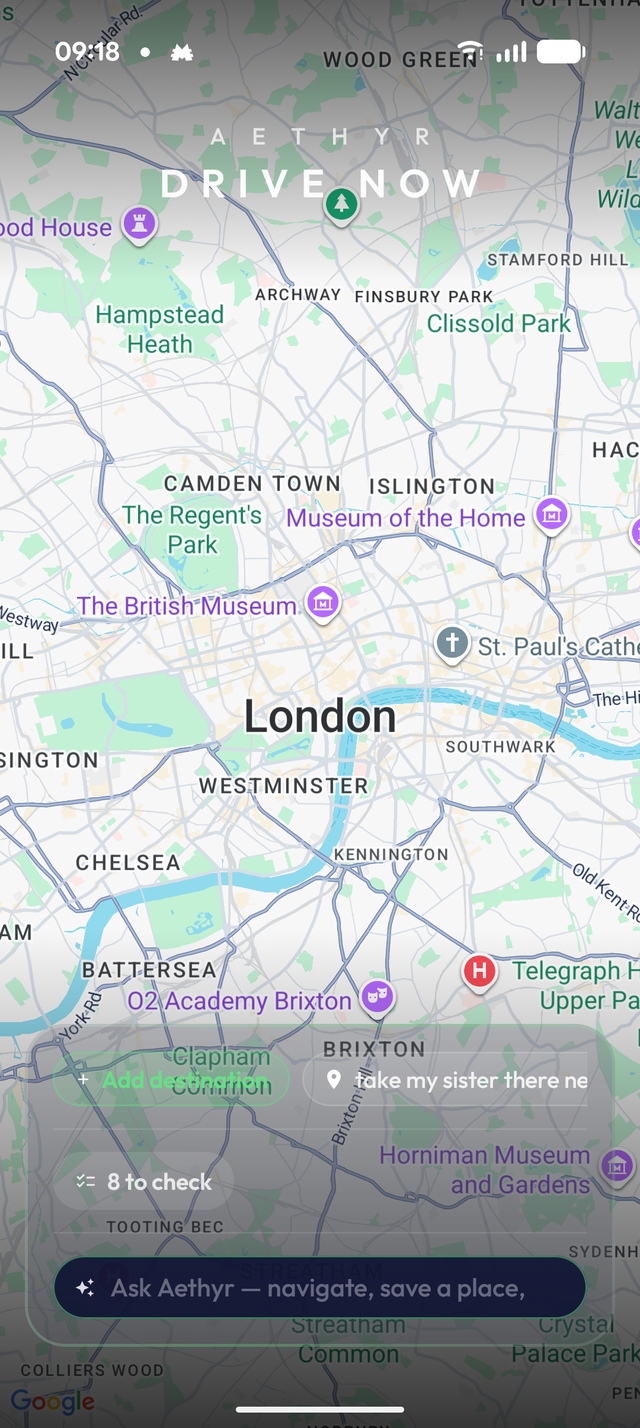
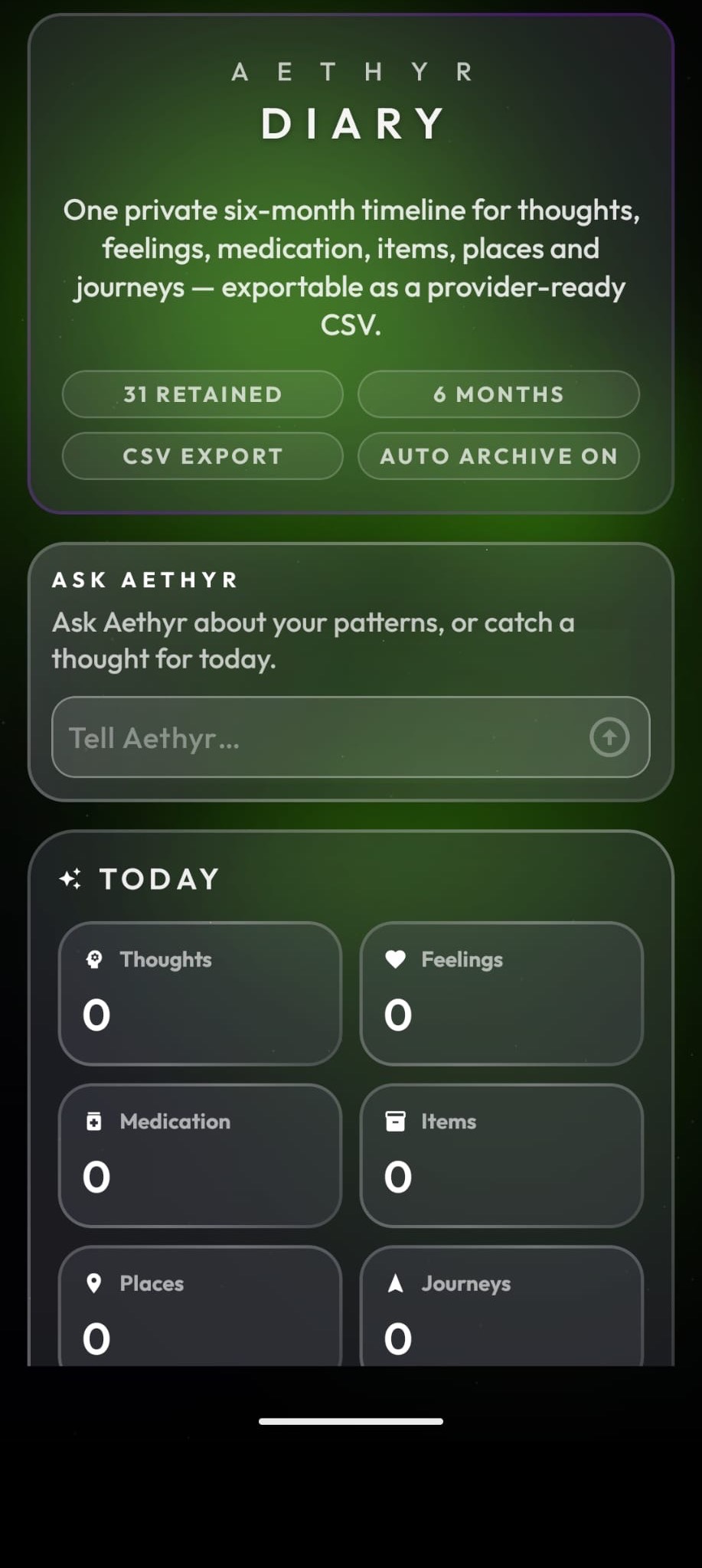
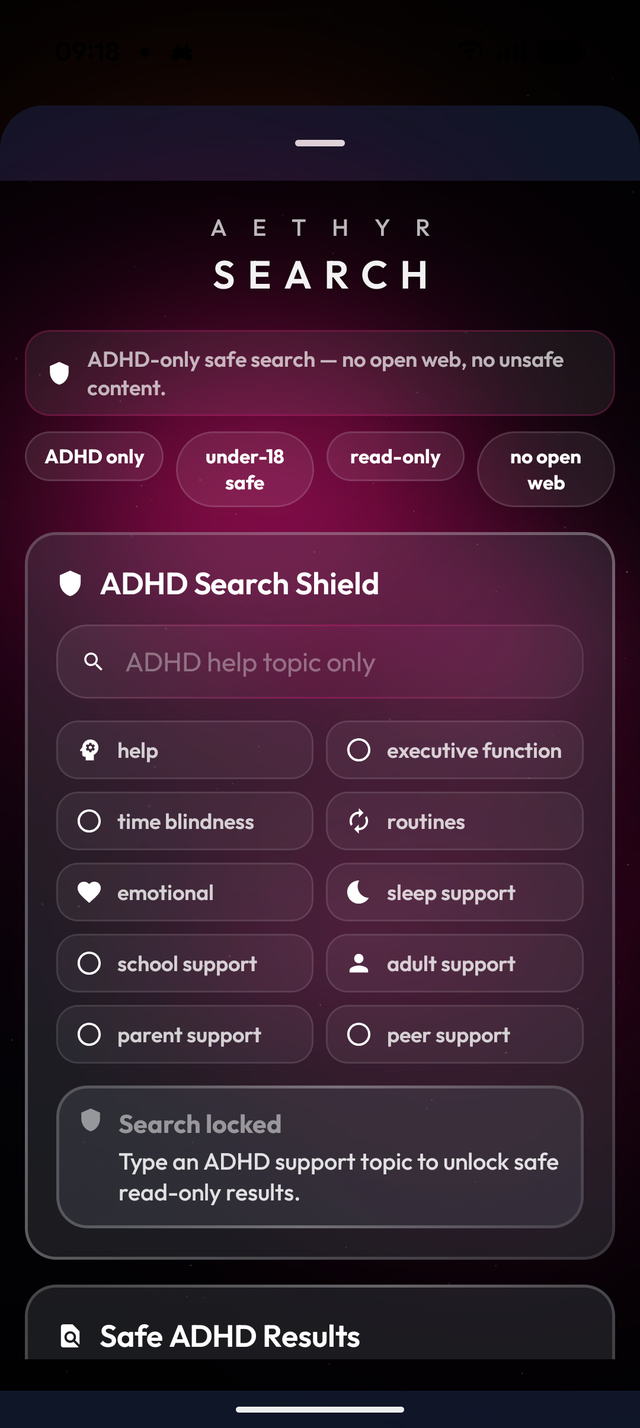
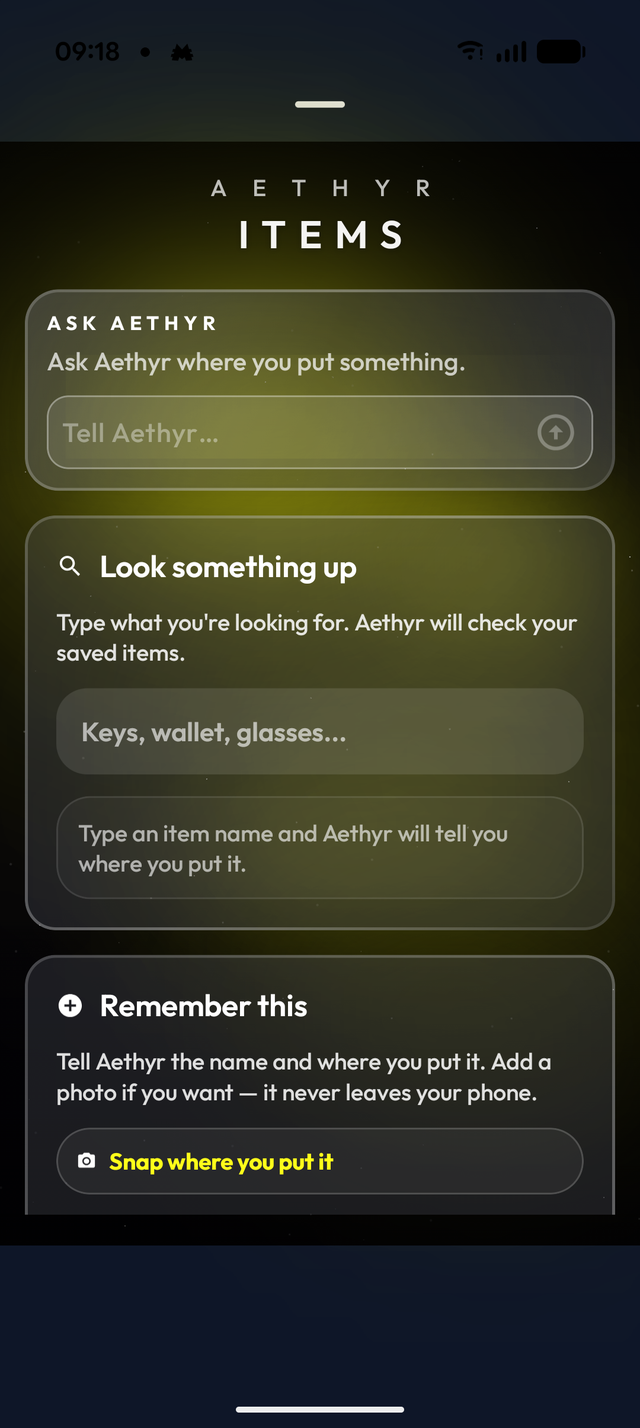
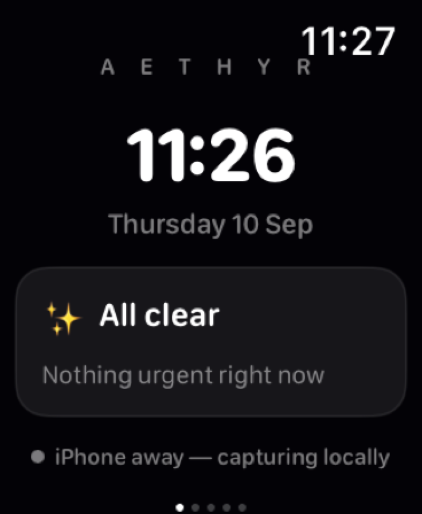
Those two screens are the entire argument. Same app, same promise, same flat refusal to score you or shame you or sell you — but one of them is my idea of what a brain looks like, and the other one is something you can use when you are running on nothing.

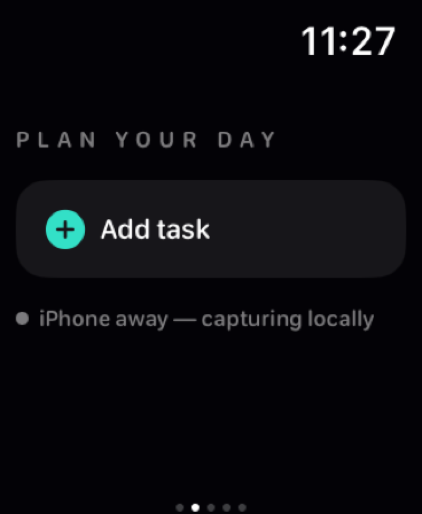
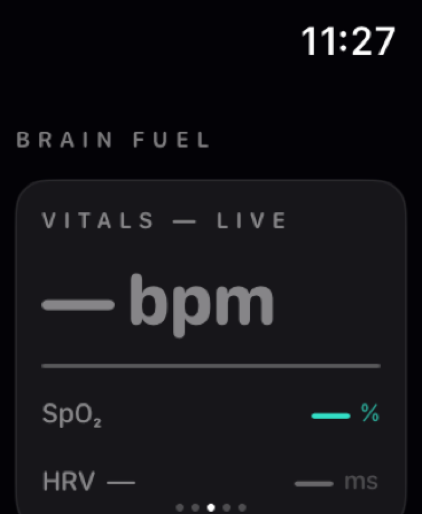
Which is why the reminders don’t guilt you — I know exactly how much that ruins a day before it has started. Why Plan Your Day breaks things down, because I know the mountain feeling, the one where you can see the whole thing perfectly clearly and still cannot find the door in. Why Health Hub asks the questions it asks, because “taken” or “not taken” misses everything that actually matters about how a dose day goes. Why Day Ahead hands you the morning before the overwhelm arrives, why Mind Body Soul catches a feeling before it turns into something bigger, why Search is fenced so you can’t lose four hours to a question that needed one answer, and why music is always one tap away — because sometimes the only thing standing between you and thirty good minutes is the right song.
None of that is accidental. Every one of those decisions was made by someone who knows precisely why it matters, and several of them were made again, differently, after somebody who wasn’t me explained why my version didn’t work for them.
Some things never changed and never will. Aethyr carries no advertising of any kind — no sponsored results, no promoted content, no advertiser relationships, not now and not in any version that comes later. Your attention is not for sale. It will never sell, share, rent or use your data to train AI models: no tracking, no behavioural analytics, no exceptions, and what you tell Aethyr stays on your device. And there will never be streaks, scores, badges or leaderboards, because I am not interested in conditioning your behaviour for commercial benefit. The business model is a subscription, and that is the entire financial relationship between you and this app.
That isn’t a legal disclaimer. It is a personal commitment from the person who built the thing — written here in public, so that it can be held to.
LeoFounder · Aethyr ADHD